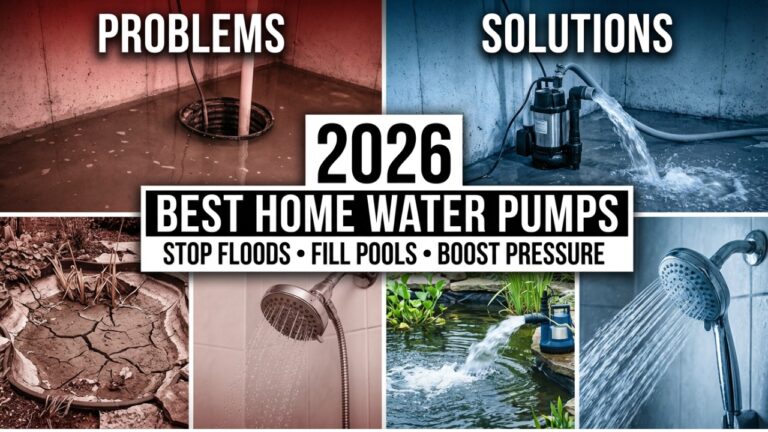
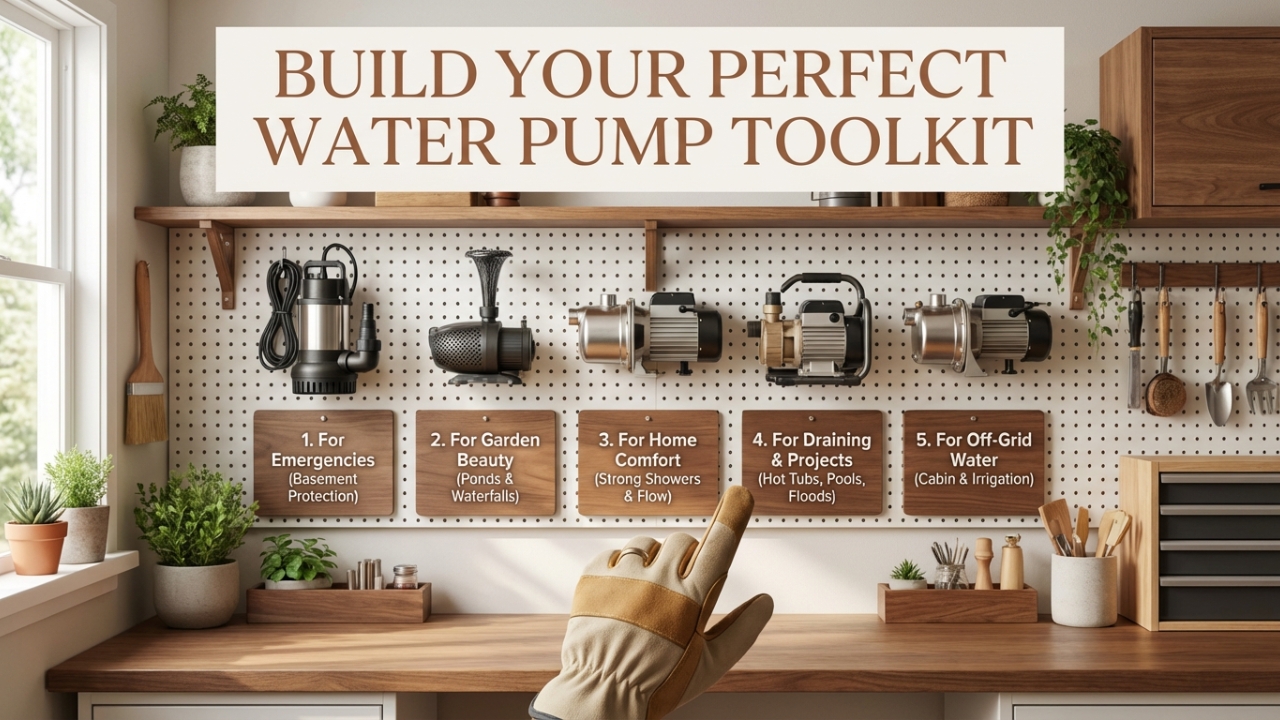
How to Choose the Best Water Pump for Home Use: Your No-Sweat Guide
Let’s be honest, the world of water pumps can feel about as clear as muddy water. You start looking for a simple pump, and suddenly you’re drowning in terms like “pressure tanks,” “horsepower,” and “automatic cut-off.” It’s enough to make you want to go back to using a bucket! But don’t worry, you’ve come to the right place. This guide, particularly useful for our friends in Water Pump Saudi Arabia, is here to turn that confusion into a steady stream of clear information. Whether you’re dealing with a dry tap, a thirsty garden, or a flooding cellar, choosing the right machine doesn’t have to be a headache. In fact, by the end of this Best Water Pumps for Home Use (2026 Guide), you’ll be chatting about pumps like a pro. So, grab a glass of water (hopefully pumped efficiently!), and let’s dive in. The key is to break it down step by step, and that’s exactly what we’ll do.
Know Your Enemy (Or, More Nicely, Your Water Problem)
First things first, you can’t pick a solution if you don’t understand the problem. It’s like taking medicine without knowing your symptoms – a recipe for disaster.
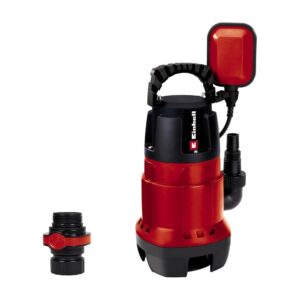
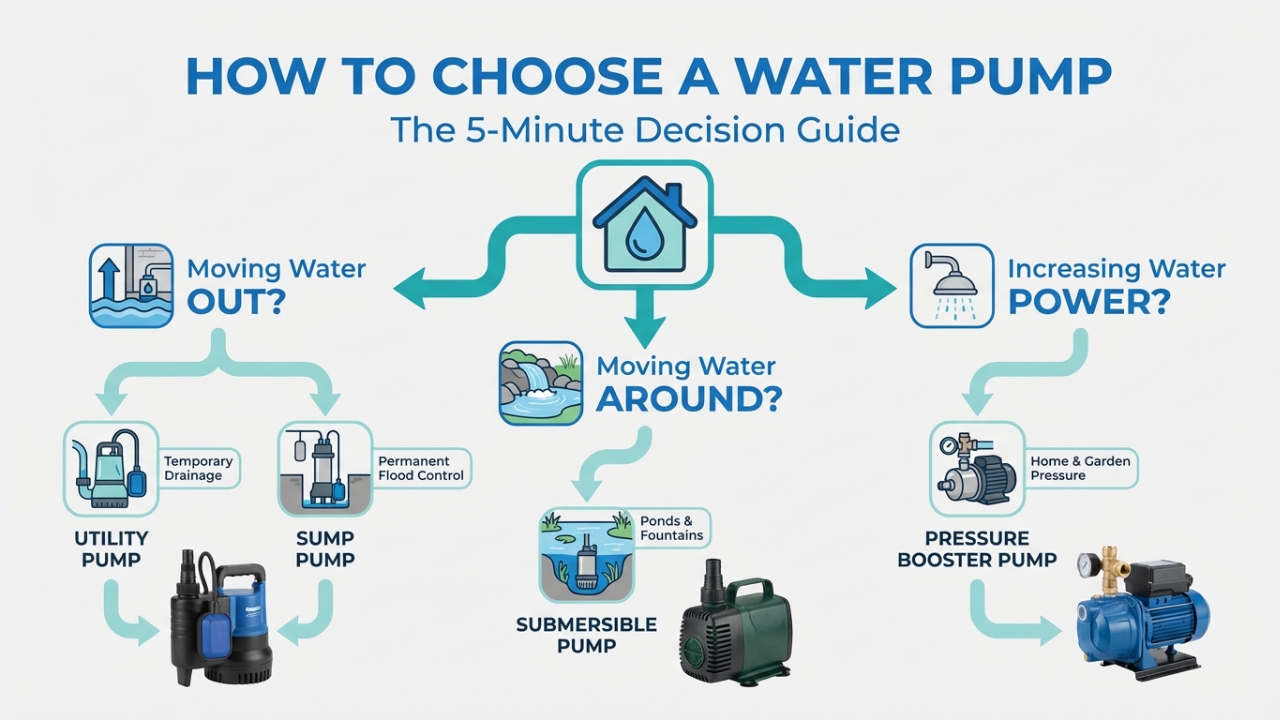
Start by asking yourself some simple questions. Are you trying to get water into your house from a well or tank? Or are you trying to get water out of a pesky flooded area? Perhaps you just want stronger shower pressure. For instance, a well water pump system for a house is a very different beast from a Small Dirty Water Pump for a cellar. Therefore, identifying the core job is 90% of the battle. Is it for drinking and bathing with clean water, or for moving wastewater? Getting this wrong is the fastest way to ruin a perfectly good pump. Remember, the pump you use to water your garden probably shouldn’t be the one you use to drain a muddy pit – unless you want a very interesting sprinkler system!
Furthermore, consider the source. Is your water coming from a deep underground well, a municipal line that needs a boost, or a rainwater collection barrel? Each source has its own requirements. A deep well needs a powerful submersible pump, while boosting main pressure might just need a compact Water Booster Pump for the home. For gardeners, the Best water pump for garden irrigation might be a lightweight, portable surface pump. Ultimately, before you even look at a single product listing, grab a notepad and jot down your specific water mission. This simple step will save you time, money, and a whole lot of frustration later on.
Pump Types Demystified – It’s Not All Just Plumbing!
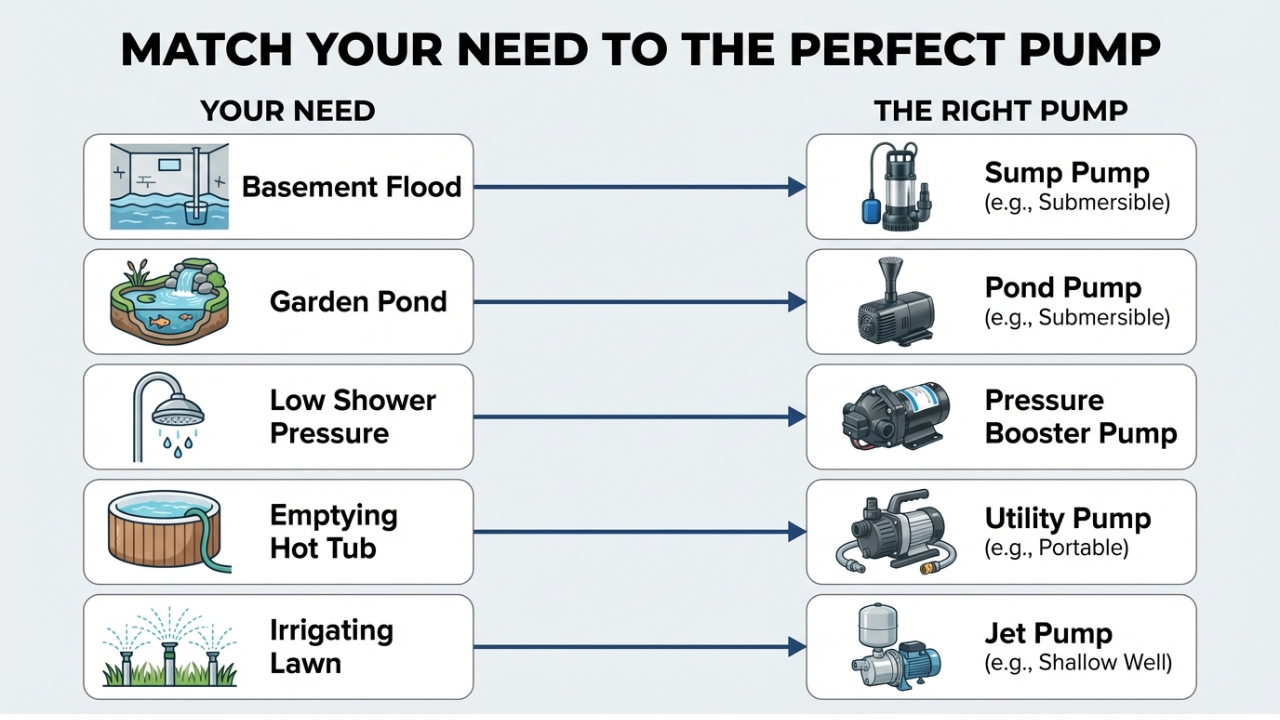
Now that you know your water goal, let’s meet the candidates. Think of this as the “Meet the Cast” section of our pump drama. There are two main families of pumps: submersible pumps and surface (or centrifugal) pumps.
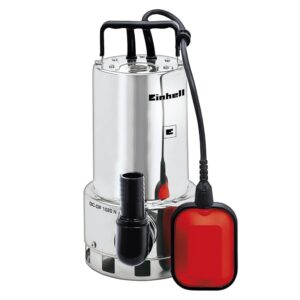
Submersible pumps, as the name suggests, live underwater. They’re your go-to heroes for deep wells, sump pits, and draining pools. They are quiet (because they’re submerged!) and very efficient at pushing water upward from great depths. If you need a Water pump for the cellar to fight flooding, this is often your champion. On the other hand, we have surface pumps.
These guys stay on dry land and suck water up to them. They are perfect for jobs like drawing water from a storage tank, boosting pressure in your pipes, or handling garden irrigation. They are usually easier to install and maintain since you don’t have to dive into a well to retrieve them. A classic example you might see is the Water Pump—screwfix type—often a sturdy, reliable surface pump for various home tasks.
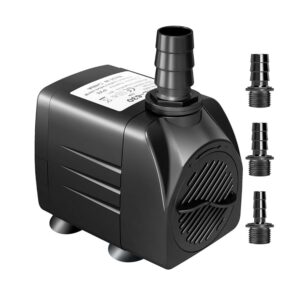
But wait, there’s more! Within these families, you have stars with special skills. The automatic water pump is a game-changer for home use. It has a smart pressure switch that kicks the pump on when you open a tap and off when you close it. No more running to a switch! This is essential for a seamless Water Pump for a house with a pressure tank system, ensuring a steady, consistent water flow. Meanwhile, for specific tasks, you might encounter a Small Water Pump 240V for light duties, or a robust pump someone might search for as the Best water pump for agriculture on a small homestead scale. Knowing the type is the second crucial step in choosing the Best Water Pump for Home Use.
The Nitty-Gritty Specs – Horsepower, Head, and Flow
Alright, time for some simple math. Don’t panic! We’re not solving advanced equations, just understanding two key concepts: Head and Flow. These will determine if your pump has the muscles for the job.
Head (or Total Dynamic Head) is basically the total height and distance the pump needs to move water. It’s not just how deep your well is. It also includes the horizontal distance the water must travel and the pressure needed at the end. For example, if your well is 30 meters deep and your house is 50 meters away, you need a pump that can handle a “head” greater than that. In other words, buying a pump with too little “head” is like trying to climb a mountain with a bicycle engine—it’s just not going to make it. Conversely, Flow Rate is the amount of water you need, measured in liters per minute or per hour. Do you need to fill a bath quickly, or just trickle water to a few plants? A big family with multiple bathrooms needs a high flow rate; a small cottage does not.
So, how do you balance this? This is where Horsepower (HP) comes in. HP is the engine size. More HP generally means more power to achieve higher head and flow. A 1 hp automatic water pump for the home is a very common and versatile choice for many average-sized homes with a pressure tank system. You might be curious about the price of a 1 HP Water Pump in Saudi Arabia, which can vary by brand and features, but it’s a great benchmark to start your search. Ultimately, you must match the pump’s capacity (its Head and Flow specs) to your calculated need. It’s better to have a little more power than not enough, but a wildly oversized pump is wasteful and can damage your pipes. It’s the Goldilocks principle: find the one that’s just right.
Features That Make Life Easier (The Bells and Whistles)
Now for the fun part—the features that separate a basic workhorse from a convenient, modern appliance. Think of this as choosing between a car with manual windows and one with… well, everything else.
The number one feature to consider is automatic operation. An automatic home water pump with a built-in pressure switch and tank is a true quality-of-life upgrade. It gives you constant, on-demand water pressure the moment you open a tap. The Best automatic water pump for the home will have a durable switch, a corrosion-resistant body, and thermal overload protection to prevent burnout. While checking out the price of an automatic water pump for the home, remember that this convenience is often worth the extra investment compared to a manual pump. Additionally, look at the building material. Cast iron or stainless steel housings last much longer in harsh conditions than cheap plastic.
Other handy features include dry-run protection, which shuts the pump off if the water source runs dry, saving the motor from certain death. For noise-sensitive areas, check the decibel rating—some models are whisper-quiet. If you’re looking at a Small automatic water pump for a home, an apartment, or a small villa, its size, noise level, and ease of installation become even more critical. Finally, don’t forget about warranty and service. A pump is a long-term investment. A longer warranty period often reflects the manufacturer’s confidence in their product. And speaking of service, if you’re in the region and need expert advice or a great selection, you can always check out resources at storeksa.com for reliable options.
Installation, Maintenance, and Your Peace of Mind
You’ve chosen the perfect pump! Congratulations. But the journey isn’t over. A brilliant pump installed poorly is a recipe for leaks, noise, and early failure.
Unless you are a very confident DIY plumber, professional installation is highly recommended, especially for complex systems like a Well water pump system for a house. A pro will ensure electrical connections are safe, pipes are properly sized and secured, and the pressure tank and switch are calibrated correctly. They can also advise on the best location to minimize noise and maximize efficiency. For simpler tasks, like setting up a Small water pump for garden irrigation, you might feel comfortable following the manual, but always, always prioritize electrical safety, especially with a 240V unit. In essence, good installation is an investment in years of trouble-free service.
Maintenance, thankfully, is usually straightforward. The golden rule is to never let your pump run dry. Regularly check for leaks, unusual vibrations, or changes in sound. For pumps with strainers, clean them periodically. If you have a pressure tank, checking the bladder air pressure once a year is a good idea. A little care goes a long way. Moreover, keep your pump’s manual and warranty card in a safe place. And if you ever have questions, need a spare part, or are looking to upgrade, remember that local expertise is invaluable. You can even reach out for a chat at +966 597 747 661 or email info@storeksa.com for guidance.
Wrapping It All Up
Phew! That was a lot of information, but we’ve covered the journey from a confused homeowner to an informed buyer. To sum up, remember the five steps: Define your need, understand pump types, calculate your head and flow, choose useful features, and ensure proper setup and care. Following this How to Choose the Best Water Pump for Home Use guide will lead you to a machine that brings convenience, not complications, to your home.
In conclusion, finding the right water pump isn’t about buying the most expensive or the biggest. It’s about smart matching. Whether it’s a Small Water Pump 240V for a balcony garden or a full Water Booster Pump for home to solve weak shower pressure, the right choice is out there. Finally, don’t let the technicalities scare you. Take it step by step, use this guide as your reference, and soon you’ll have water flowing exactly when and where you need it. Happy pumping